


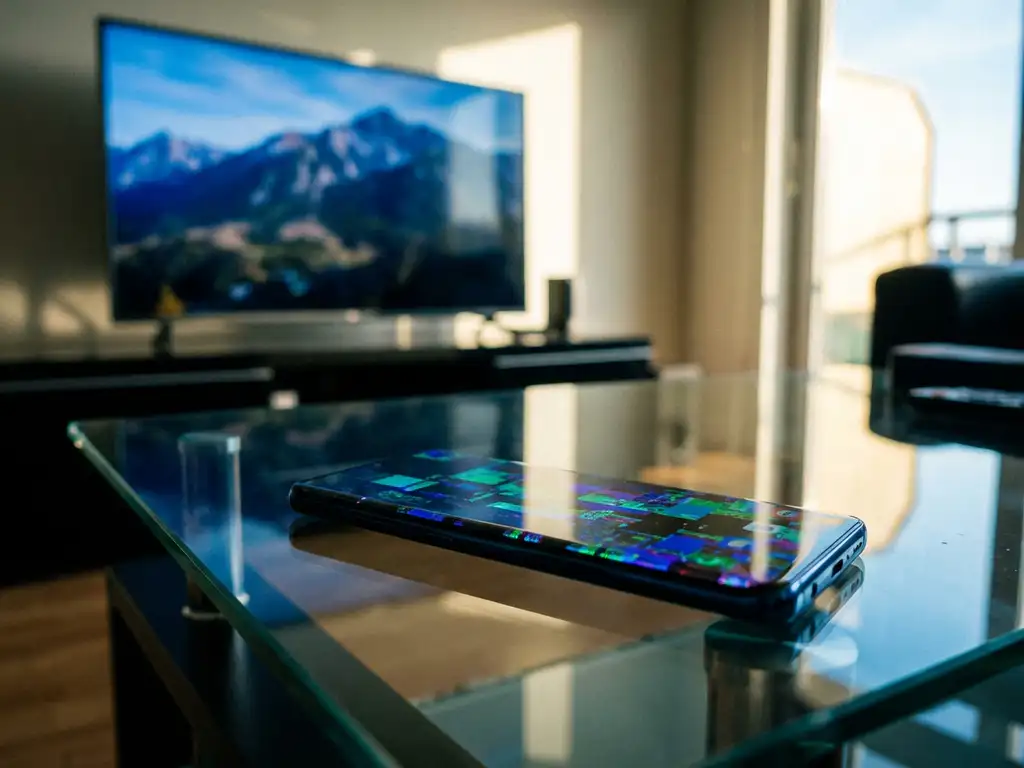
Android screen mirroring has become an essential feature for sharing content from your phone to the big screen. Whether you’re streaming videos, sharing photos, or presenting work materials, a smooth mirroring experience depends on your device and TV speaking the same digital language through compatible codecs.
Unfortunately, codec conflicts can disrupt this seamless connection, causing audio sync issues, video stuttering, or complete connection failures. Understanding these conflicts and knowing how to resolve them ensures you can enjoy reliable Android screen mirroring whenever you need it.
What are codec conflicts in Android screen mirroring?
Codec conflicts in Android screen mirroring occur when your Android device and the receiving TV or streaming device cannot agree on a compatible audio or video compression format. These conflicts manifest as playback issues, including stuttering video, audio delays, poor-quality streams, or complete mirroring failures.
Codecs are essentially digital translators that compress and decompress media files for transmission. During screen mirroring, your Android device encodes your screen content using specific codecs, while your TV attempts to decode that same content. When these codecs don’t match or aren’t properly supported, the mirroring process breaks down.
The most common codec conflict symptoms include video that plays without sound, audio that arrives several seconds after the video, pixelated or choppy video quality, and intermittent connection drops. These issues often occur because different manufacturers implement varying codec standards, creating compatibility gaps between Android devices and smart TVs.
What causes Android screen mirroring codec conflicts?
Android screen mirroring codec conflicts primarily stem from mismatched compression standards between your device and TV, outdated firmware on either device, or network bandwidth limitations that force codec downgrades. Different manufacturers often prioritize different codec implementations, creating inherent compatibility challenges.
Hardware age plays a significant role in codec conflicts. Older smart TVs may only support legacy codecs like H.264, while newer Android devices default to more efficient formats like H.265 or AV1. This generational gap forces devices to negotiate fallback options that may not work optimally.
Network conditions can also trigger codec conflicts. When Wi-Fi bandwidth drops, devices automatically switch to lower-quality codecs to maintain connection stability. However, this automatic switching doesn’t always succeed, especially when the receiving device has limited codec flexibility.
App-specific codec requirements add another layer of complexity. Streaming services like Netflix or YouTube may use proprietary encoding that doesn’t translate well through standard mirroring protocols, causing conflicts even when basic screen mirroring works perfectly.
How do you identify codec-related mirroring problems?
Codec-related mirroring problems typically present as audio-video sync issues, sudden quality drops during streaming, or specific apps failing to mirror while others work normally. These symptoms distinguish codec conflicts from general connectivity or network problems.
Start by testing different content types to isolate the issue. If photos and basic apps mirror successfully but video content fails, you’re likely dealing with video codec conflicts. Similarly, if video plays but audio is missing or delayed, audio codec incompatibility is the probable cause.
Pay attention to which specific apps or content types trigger problems. Codec conflicts often affect certain streaming services while leaving others unaffected. For example, YouTube might mirror perfectly while Netflix encounters constant buffering or quality issues.
Check your TV’s supported codec list in the specifications or settings menu. Compare this against your Android device’s capabilities, which you can find in Developer options under Media codec information. Mismatches in this comparison often reveal the source of your mirroring troubles. For additional troubleshooting guidance, consult the knowledge base for detailed solutions.
How do you fix video codec conflicts when screen mirroring?
Fix video codec conflicts by adjusting your Android device’s video output settings, updating both device and TV firmware, or using alternative mirroring methods that support broader codec compatibility. Start with the least disruptive solutions before moving to more comprehensive fixes.
Access your Android device’s Developer options and modify the video codec preferences. Look for settings related to hardware acceleration or codec selection, and try switching from hardware to software encoding, or vice versa. This change often resolves conflicts with specific TV models.
Update your smart TV’s firmware through the settings menu, as newer versions typically include expanded codec support. Similarly, ensure your Android device is running the latest system updates, which often include codec improvements and compatibility fixes.
Consider using dedicated screen mirroring apps that handle codec negotiation more effectively than built-in Android casting. These apps often include fallback options and automatic codec selection that adapts to your specific TV model’s capabilities, providing more reliable video transmission. Professional solutions from AirBeam TV offer enhanced codec compatibility across different devices.
How do you resolve audio codec issues during Android casting?
Resolve audio codec issues by enabling audio passthrough in your mirroring settings, switching audio output formats on your Android device, or adjusting your TV’s audio processing settings. Audio conflicts are often easier to fix than video issues because audio codecs have fewer variables.
Navigate to your Android device’s sound settings and look for advanced audio options. Try switching between different audio formats like PCM, Dolby, or DTS, if available. Many TVs handle basic PCM audio more reliably than compressed formats, making this a good first troubleshooting step.
Disable any audio enhancement features on both your Android device and TV during mirroring. Features like surround sound processing, audio normalization, or bass boost can interfere with codec compatibility and cause sync issues or audio dropouts.
If audio continues to lag behind video, manually adjust the audio delay settings on your TV. Most smart TVs include audio sync controls in their sound settings menu, allowing you to compensate for codec processing delays that cause lip-sync problems. Users can also explore iPhone and iPad mirroring solutions for comparison and alternative approaches.
What’s the best way to prevent codec conflicts before mirroring?
Prevent codec conflicts by ensuring both devices are connected to a strong Wi-Fi network, keeping firmware updated on all devices, and using screen mirroring apps specifically designed for your TV brand. Proactive preparation eliminates most codec-related issues before they occur.
Test your mirroring setup with different content types during initial configuration. Start with simple content like photos, then progress to videos and streaming apps. This testing reveals potential codec limitations early, allowing you to adjust settings before important presentations or entertainment sessions.
Research your specific TV model’s codec compatibility before purchasing or expecting certain features. Different smart TV brands prioritize different codec standards, and knowing these limitations helps set realistic expectations and help you choose appropriate mirroring solutions. For Mac users, Mac screen mirroring offers similar codec considerations.
Maintain a stable network environment by positioning your Android device close to your Wi-Fi router during mirroring sessions. Strong signal strength reduces the likelihood of automatic codec downgrades that often trigger compatibility problems. Consider using a universal remote control TV app when available, as they typically provide more consistent bandwidth for codec-intensive mirroring tasks. If you continue experiencing issues, don’t hesitate to contact support for personalized assistance.