



When you use iPhone screen mirroring to display your device on a TV, you might wonder how your accessibility settings carry over to the big screen. The good news is that most of your iPhone’s accessibility features continue to work seamlessly during screen mirroring, making it easier for everyone to enjoy content on a larger display.
Whether you rely on VoiceOver, AssistiveTouch, or custom display settings, understanding how these features behave during mirroring helps you get the most out of your viewing experience. Let’s explore exactly what works and what you need to know.
What accessibility features work during iPhone screen mirroring?
Most iPhone accessibility features remain fully functional during screen mirroring, including VoiceOver, AssistiveTouch, text size adjustments, display accommodations, and Switch Control. These features mirror exactly as they appear on your iPhone screen, maintaining their functionality on your TV display.
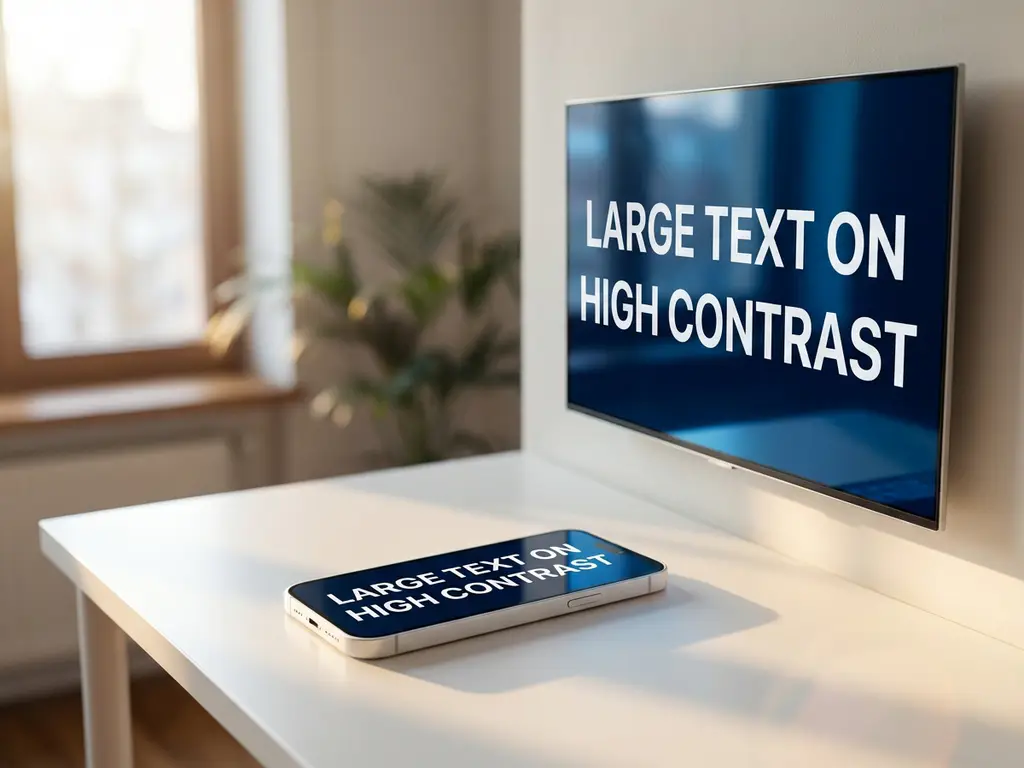
Visual accessibility features like Zoom, Magnifier, and color filters all transfer to your mirrored display without any loss of functionality. If you have increased contrast enabled or inverted colors turned on, these settings will appear on your TV exactly as they do on your iPhone screen.
Audio accessibility features also work seamlessly. Mono Audio, audio descriptions, and custom volume settings all carry over during mirroring. This means that if you’ve set up your iPhone for hearing accessibility, those same settings will apply when you’re watching content on your TV through screen mirroring.
Motor accessibility features like Button Shapes, Reduce Motion, and custom gesture controls for TV continue to work normally. Your iPhone remains the control device, so all your personalized accessibility settings stay active while you navigate content displayed on your TV.
How does VoiceOver work with screen mirroring apps?
VoiceOver functions normally during iPhone screen mirroring, with audio announcements playing through your iPhone’s speaker while the visual content displays on your TV. The screen reader continues to announce interface elements, buttons, and text as you navigate, maintaining full accessibility for blind and low-vision users.
When using VoiceOver with screen mirroring, you’ll hear all announcements through your iPhone rather than your TV speakers. This is actually helpful because it keeps the accessibility audio separate from your content audio, preventing confusion between VoiceOver announcements and the show or movie you’re watching.
The VoiceOver cursor and highlighting work exactly as they normally do, with visual focus indicators appearing on your TV screen. This means sighted family members or friends can see what you’re selecting while you navigate using VoiceOver gestures on your iPhone.
All VoiceOver gestures remain the same during mirroring. You can still swipe to navigate between elements, double-tap to activate buttons, and use rotor controls to adjust settings. Mirroring doesn’t interfere with any of VoiceOver’s functionality.
Can AssistiveTouch be used while screen mirroring?
Yes, AssistiveTouch works perfectly during iPhone screen mirroring, with the floating menu button appearing on your TV screen exactly where it appears on your iPhone. All AssistiveTouch gestures and custom actions remain fully functional while mirroring content to your television.
The AssistiveTouch menu displays clearly on your TV, making it easier to see and use if you have motor difficulties or prefer larger visual targets. The increased screen size can actually make AssistiveTouch more comfortable to use, especially when watching content with family or friends who can help you navigate if needed.
Custom gestures you’ve set up in AssistiveTouch continue to work normally during mirroring. Whether you’ve created shortcuts for specific apps, volume controls, or navigation actions, these personalized touches remain active and functional on the big screen.
The only thing to keep in mind is that AssistiveTouch interactions still happen on your iPhone screen, not directly on the TV. You’ll tap the AssistiveTouch button on your iPhone, and the results will appear on your mirrored TV display. For more detailed guidance, check our knowledge base.
What happens to text size and display settings during mirroring?
Text size and display settings mirror exactly as configured on your iPhone, including Dynamic Type sizing, bold text, increased contrast, and color filters. Whatever text size you’ve chosen in Settings appears the same way on your TV screen, maintaining your readability preferences during mirroring.
If you’ve enabled Larger Text or even the largest accessibility text sizes, these settings transfer perfectly to your TV display. This can actually improve readability since the text appears much larger on a TV screen than on your iPhone, making it easier to read from across the room.
Display accommodations like Reduce White Point, Smart Invert, or Classic Invert all mirror to your TV exactly as they appear on your iPhone. Color filters for protanopia, deuteranopia, or tritanopia also transfer seamlessly, ensuring your color-vision accommodations work on the big screen.
Button Shapes, Reduce Motion, and other visual accessibility enhancements all carry over during mirroring. Your iPhone essentially sends a pixel-perfect copy of what you see to your TV, so every accessibility customization you’ve made remains intact and functional on the larger display. If you need assistance with setup or have questions, feel free to contact us.